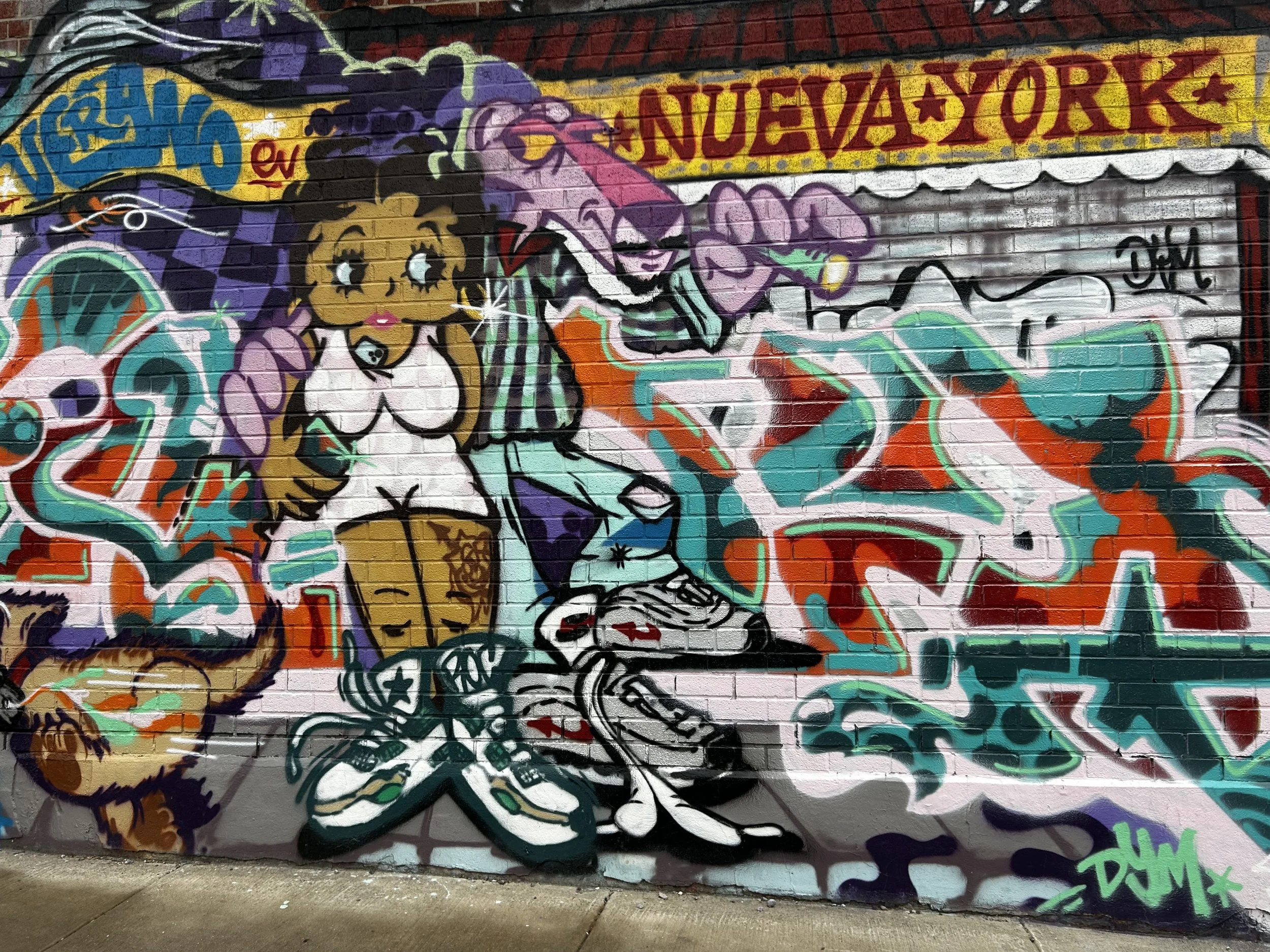
Like many New Yorkers, I spend a great deal of time moving between worlds: classrooms and communities, academic conferences and family gatherings, English and Spanish, scholarship and everyday life. What fascinates me is not simply that people communicate differently across cultures, but that we communicate through stories, rituals, humor, and play. Long before we learn formal rules, we learn how to make meaning together.
As children, we discover the world through play. We experiment with identities, test boundaries, negotiate conflicts, and imagine futures that do not yet exist. Adults are no different. We continue to make meaning through the stories we tell, the metaphors we choose, the games we play, and the communities we build. Whether in a classroom, a workplace, or a conversation between strangers, human beings are fundamentally creative and relational creatures.
The foundation of my work is helping people communicate across difference with curiosity, empathy, and imagination. Effective cross-cultural communication requires more than exchanging information. It requires the ability to enter another person's frame of reference while remaining grounded in one's own. It asks us to listen for what is being said, what remains unsaid, and what cultural assumptions shape both.
At the heart of what I do is facilitate growth through generative conversation, always seeking a collaborative, pro-social win-win result. As interpreters and community-members, awareness of the broad, systemic factors influencing how we are read and show up in dialogue -- the rhetorical situation -- matters. The very best speakers are able to communicate effectively in almost any situation with curiosity, conviction, and respect for difference. Individual consideration, when practiced with collaborative stance-making, builds connection and trust.
Thoughtful communicators understand that connection is not built through confidence alone. But emerges through shared inquiry, authentic storytelling, and a willingness to play with language and make mistakes. When people feel safe, they ask better questions, take risks, build resilience to uncertainty, and real learning becomes possible.
Whether I am teaching students or facilitating difficult conversations, I help people develop two essential capacities:
To communicate their ideas in ways that resonate across cultural, linguistic, and experiential differences, creating understanding rather than merely transmitting information.
To read the rhetorical situation with care, attentiveness and humility, recognizing the stories, values, and assumptions that shape how others experience the world, and adapting their communication strategies accordingly, whether in writing, speaking, or improvising in daily life.

The Art and Science of Generative Cross-Cultural Communication
Communication - Making Meaning with Others
Hello!
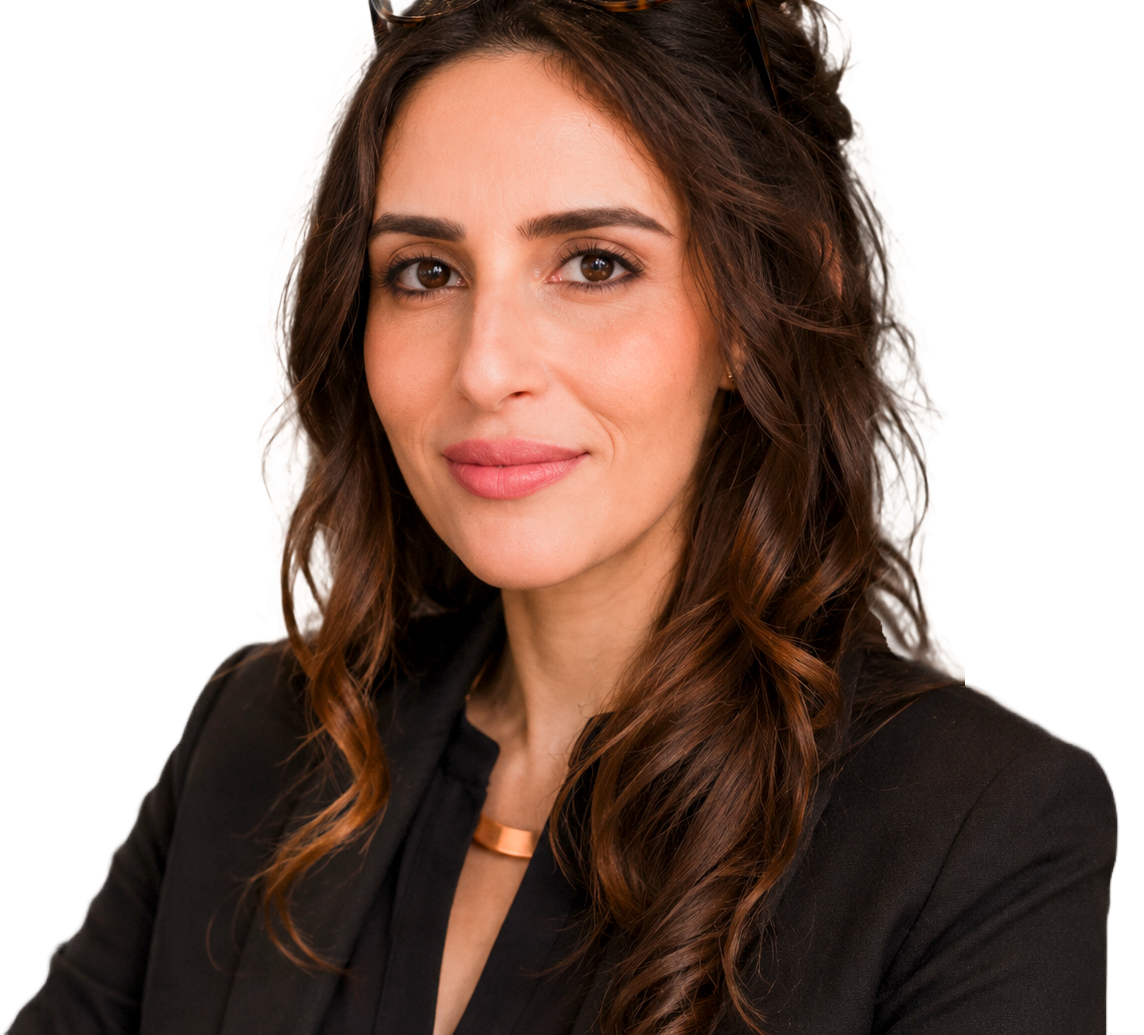
My name is Juliana Nalerio
I've spent most of my adult life on the interdisciplinary study of negotiated cultural differences. I had to figure out how to communicate well and help others do the same. My mother was an English-dominant public defender turned paralegal in Brooklyn and my father was a Spanish speaker and tradesman from Uruguay. I had no choice.
I spent the last 15 years in Higher Education, internationally, and the same amount of years in communication arts, non-violent communication, and discourse analysis. I started my elementary school's newspaper, if you can believe it! I have a background in Film & TV, editing and storyboarding documentaries and music videos long before AI. I worked on public international research projects, leading difficult conversations on Mexico and the U.S border, the ethics of hospitality, and the history of racism, with researchers from across Latin America, Spain, and the EU. I ended up with a PhD from Stanford University, where I took classes in history, literature, anthropology, and even in the D.School. Over the years, I started teaching at the City University of New York as an adjunct professor across departments and campuses, served in catering and hospitality events and parties in NYC, and even walked dogs. I spent most all that time bridging worlds to help people communicate with each other, with all of their humanity, and not just as a science but as an art.
My path from a small, experimental public liberal arts college in Florida to Spain to Silicon Valley where I earned my Ph.D., and back home yo NYC was not linear. Along the way, I found myself drawn to the spaces where different ways of seeing the world meet, between literature and history, art and politics, philosophy and everyday life, and between culture and subculture. Yet some of my most important education has happened outside the classroom in conversations with students, community members, activists, artists, and people whose lives challenged me to think differently about the world.
As a professor, writer, and mentor, I have spent years studying how people create meaning across differences of language, culture, race, gender, class, and nationality. My work draws from literature, history, philosophy, cultural studies, and the social sciences, but I have never been interested in disciplines for their own sake. I am interested in helping people connect ideas to action and imagination to real life.
Today, I teach at Queens College and the City University of New York, where I work with students from every corner of the globe. Their stories continually remind me that communication is not simply about transmitting information. It is about building bridges between people, communities, institutions, and ways of knowing.
The emergence of Large Language Models (LLMs) has only deepened my interest in these questions. While technology can help us process information at unprecedented scales, it cannot replace the distinctly human capacities that matter most: empathy, creativity, judgment, courage, and connection. My hope is that we use new technologies not to diminish ourselves, but to expand our ability to learn from one another and solve problems together. Whether through teaching, writing, research, or coaching, my work is ultimately guided by a simple belief: that meaningful communication can help people cross boundaries, build understanding, and bring their ideas to life.