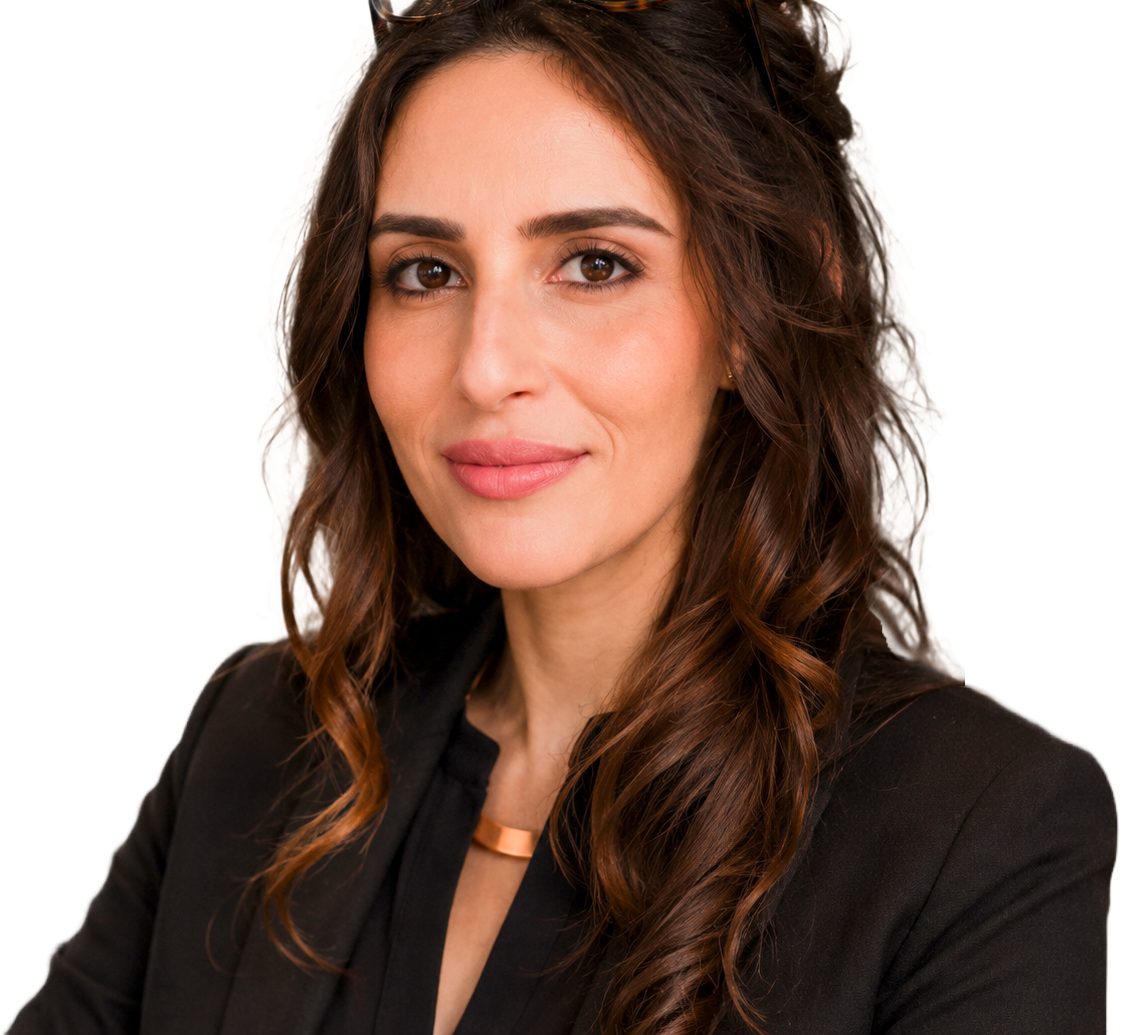
Juliana K. Nalerio, Ph.D
It has taken me 15 years of crossing borders, translating between languages, disciplines, countries, communities, cultures, and ways of knowing, to understand my purpose. Today, I know that I am here to help people communicate across difference, tell more truthful stories about themselves and the world, and contribute to building the kinds of communities and organizations that make human and nonhuman flourishing possible.
Cross-Cultural Communication, Storytelling, and Transformative Learning
I am a professor, writer, and scholar of culture, history, story, and human connection. My work begins with a simple observation: we live in an increasingly interconnected world, yet many of us struggle to understand one another. We encounter different languages, identities, histories, values, and experiences every day, but we are rarely taught how to navigate those encounters with curiosity, generosity, and skill.
The ability to communicate across difference is not simply a professional competency. It is one of the most important human capacities we possess.
Throughout my career, I have studied how people make meaning: through stories, rituals, memories, performances, institutions, and everyday conversations. From New York City classrooms to archives in Spain, from Caribbean literature to contemporary social movements and subcultures, I have been fascinated by the ways individuals and communities create belonging in a complex world.
My approach combines insights from the humanities, social sciences, and lived experience. Drawing from history, literature, philosophy, performance studies, and decolonial feminist thought, I help students and organizations understand not only what people believe, but how those beliefs are shaped by culture, power, identity, and historical memory.
At the heart of my work is a conviction that learning should be transformative rather than transactional. Education is not merely the transfer of information. It is an opportunity to expand our imagination, deepen our empathy, and develop new ways of seeing ourselves and others.
Like children at play, the most effective learners remain open to experimentation. They ask questions, test assumptions, make mistakes, and discover possibilities that were previously invisible to them. Creativity is not a luxury. It is a tool for survival, adaptation, and collective problem-solving.
Whether I am teaching university students, facilitating dialogue, coaching writers, or speaking to public audiences, I help people develop two essential capacities:
To communicate their ideas with clarity, confidence, and cultural awareness, so that their message reaches people whose experiences may differ profoundly from their own.
To listen deeply enough to recognize the stories, histories, and assumptions that shape human behavior, and to build stronger relationships across difference.
For more than a decade, I have taught and mentored students from diverse linguistic, cultural, and socioeconomic backgrounds. As a professor in the City University of New York system, I have worked with young people, multilingual learners, working adults, immigrants, and lifelong New Yorkers. These experiences have reinforced my belief that some of the most important learning happens not despite our differences, but because of them.
My scholarship explores questions of race, gender, migration, colonialism, and belonging across the Americas and the Atlantic world. My writing asks how communities remember, resist, and imagine better futures. Whether in the classroom, the archive, or public life, I remain interested in the same question:
How do we create meaningful connection in a world that often encourages division?
I do not believe that communication is simply about exchanging information. I believe it is about creating understanding, fostering trust, and expanding what becomes possible when people learn to think, work, and read our world together.
That work has never felt more necessary than it does today.